
The Allure of Casinos: Understanding the Draw
Casinos have an undeniable allure that captivates millions of individuals worldwide. The excitement of winning big, the thrill of the game, and the vibrant ambiance create an immersive experience that draws people in. Psychological theories suggest that the environment of a casino is meticulously crafted to induce a sense of euphoria, often referred to as the “gambling high.” This unique atmosphere encourages players to return, even after experiencing losses, especially when they are drawn in by the availability of an online casino.

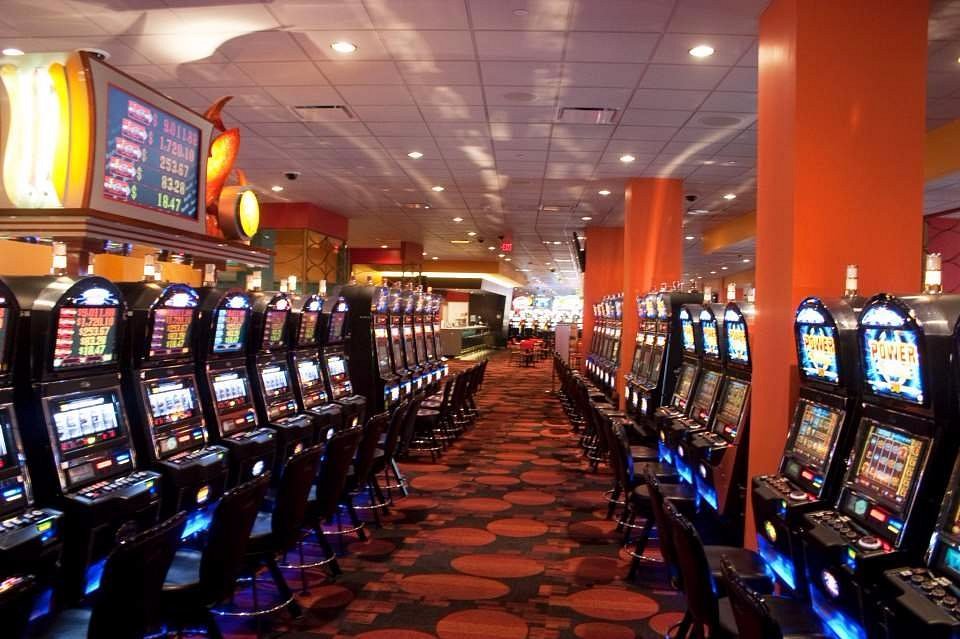
Furthermore, the design of casinos plays a crucial role in influencing gambling habits. The use of bright lights, enticing sounds, and the absence of clocks creates a disorienting effect, making time seem irrelevant. Players can lose track of their spending and time as they become engrossed in the experience, which can lead to impulsive betting behaviors. Understanding these psychological triggers is essential for both players and industry professionals aiming to promote responsible gambling practices.
The Role of Cognitive Biases in Gambling
Cognitive biases significantly shape how individuals perceive gambling outcomes. For example, the illusion of control leads players to believe they can influence the results of games of chance, such as slot machines or roulette. This false sense of empowerment may encourage individuals to gamble more, as they feel their involvement directly affects their success. The gambler’s fallacy also plays a role, where players believe that past results will influence future outcomes, leading them to make irrational betting decisions.
These cognitive biases can perpetuate cycles of gambling, as players become convinced that their next bet will yield a win. The reinforcement of these beliefs through intermittent rewards creates a powerful psychological loop that can be difficult to escape. Recognizing and understanding these biases is crucial for gamblers seeking to gain control over their habits and seek help when needed.
The Impact of Emotions on Gambling Decisions
Emotions can greatly influence gambling behaviors, affecting decision-making processes. Many individuals turn to gambling as a form of escape during times of stress, boredom, or loneliness, using it as a way to cope with negative feelings. Conversely, elation or excitement after a win can lead to overconfidence, prompting higher stakes as players chase the “high” they experienced. This rollercoaster of emotions can create a dangerous cycle that encourages continued gambling.
Moreover, the social environment in casinos often amplifies these emotional responses. Players may feel pressured by their peers or the overall atmosphere, which can lead to impulsive decisions. Understanding the relationship between emotions and gambling can help individuals recognize when they are gambling for the wrong reasons and encourage healthier habits.
The Social Context of Gambling at Casinos
The social dynamics present in casinos also heavily influence gambling habits. Many individuals enjoy the communal experience of playing games, sharing their wins and losses with friends or fellow players. This social aspect can enhance enjoyment but can also lead to increased gambling as individuals feel compelled to keep up with their peers or participate in group dynamics.
Moreover, casinos often capitalize on this social aspect by offering group promotions and games that encourage camaraderie. This strategic manipulation of social interactions can blur the lines between responsible gambling and excessive betting, making it essential for players to maintain awareness of their habits and the motivations behind their gambling decisions.
Promoting Responsible Gambling in the Casino Landscape
In light of the psychological factors influencing gambling habits, promoting responsible gambling practices is vital. Many casinos are implementing measures to protect players, such as providing resources for self-exclusion, setting betting limits, and offering education on the risks associated with gambling. These measures aim to help individuals recognize their gambling behaviors and seek assistance when necessary.
Additionally, maintaining a safe online environment is crucial for promoting responsible gaming. Websites offering secure platforms ensure players can access support and resources while enjoying their gambling experience. By fostering a culture of awareness and responsibility, the casino industry can help mitigate the negative impacts of gambling and promote a healthier relationship with gaming.