
https://buscamed.do/kiosk/pages/?germany-stadium_20.html
Mostbet Android Application – From Early Betting to Modern Optimization
The story of mobile betting mirrors the evolution of handheld computing itself. In the early 2000s, placing a wager meant visiting a physical kiosk or using a slow WAP site on a feature phone. Today, the Mostbet Android application represents a culmination of decades of progress in mobile software engineering, network reliability, and user interface design. To get the best experience from this tool, understanding how to optimize its performance on your device is key. For reference on the official download channel, see https://buscamed.do/kiosk/pages/?germany-stadium_20.html .
Why Did Mobile Betting Apps Emerge in the 2010s?
Before smartphones became ubiquitous, betting was tied to desktop computers or physical locations. The launch of the iPhone in 2007 and the first Android devices shortly after changed everything. By 2012, faster 3G networks and larger touchscreens made dedicated apps viable. Mostbet recognized this shift early, developing its Android application to provide a seamless, native experience that browsers could not match. This historical moment meant users no longer needed to reload pages or remember login details manually-the app handled it all.
How Does Mostbet’s Android App Reflect Betting’s Digital Shift?
The transition from analogue to digital betting was not instant. In the 1990s, online betting sites were basic HTML pages with slow load times. By the 2020s, Mostbet leveraged Android’s powerful APIs to deliver real-time odds updates, push notifications for live events, and smooth animations. The app’s architecture is a direct descendant of those early web platforms, but optimized for touch, battery life, and data efficiency. This evolution means users in Azerbaijan can enjoy a responsive interface even on mid-range devices.
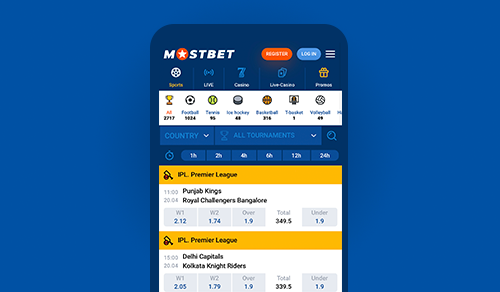
Optimizing Mostbet App Performance on Android – Settings and Memory
To keep the Mostbet application running smoothly, focus on a few key areas. Android’s resource management has improved over versions, but user habits still matter. Here are practical steps based on how the app interacts with your phone’s system:
- Clear the app cache monthly via Android Settings > Apps > Mostbet > Storage. This removes temporary data that can bloat over time.
- Disable background data for non-essential apps to free network bandwidth for Mostbet updates.
- Keep at least 500 MB of free internal storage. Low space can cause the app to lag or crash.
- Use Android’s “Battery Optimization” feature to set Mostbet to “Unrestricted” if you want real-time notifications.
- Restart your device once a week to clear RAM fragmentation that builds up from constant app switching.
- Update the app via the official APK or Google Play to get performance patches and security fixes.
- Avoid running heavy games or video streaming simultaneously with Mostbet to prevent memory contention.
What Android Settings Affect Mostbet’s Speed and Stability?
Android’s system settings have evolved significantly since the Gingerbread era. Today, the Mostbet app benefits from several configurable options. Adjusting these can make a noticeable difference:
| Setting | Recommended Value | Why It Helps |
|---|---|---|
| Developer Options – Window animation scale | 0.5x or Off | Reduces UI lag when switching screens. |
| Developer Options – Background process limit | At most 4 processes | Prevents memory overload from multiple apps. |
| Data saver mode | Off for Mostbet | Ensures full data access for live updates. |
| Adaptive battery | Enabled | Learns usage patterns and limits background drain. |
| Screen resolution | 1080p or lower | Less GPU load, smoother scrolling. |
| Auto-sync | Off for non-essential accounts | Reduces network contention for sync tasks. |
How Memory Management Evolved for Android Apps Like Mostbet
In the early Android days (2.3 Gingerbread), apps had limited memory allocation-often only 16 MB per app. Modern Mostbet apps run on devices with 4 GB RAM or more, but memory leaks still happen. The app’s developers use efficient coding practices like lazy loading and background thread management. As a user, you can help by closing unused apps from the recent apps menu regularly. Android’s “Memory” section in Developer Options shows how much RAM Mostbet uses-ideally under 300 MB for a stable experience.

Why Network Optimization Matters for Mostbet in Azerbaijan
Internet connectivity in Azerbaijan has improved dramatically since the days of dial-up. However, 4G and 5G networks can still experience congestion. The Mostbet app uses adaptive streaming for live events and compresses data where possible. To optimize, switch to Wi-Fi when placing bets or watching streams-this reduces latency and data usage. Also, disable VPNs or proxy services temporarily, as they can introduce delays. These tips come from understanding how mobile networks evolved from EDGE to LTE.
What Historical Lessons Can Improve Your Mostbet App Experience?
Looking back, early betting apps were plagued by crashes due to inefficient code and limited device capabilities. Mostbet learned from that era by implementing robust error handling and offline fallback modes. Today, the app stores your last viewed odds locally, so even if the connection drops briefly, you do not lose your place. This design philosophy-building resilience into the app-traces back to the early 2000s when developers had to account for unreliable mobile networks. By keeping your Android OS updated to the latest version, you ensure compatibility with these modern features.
Final Thoughts on Maintaining Mostbet Android Performance
The journey from simple text-based betting to the rich Mostbet Android application we use today shows how far mobile technology has come. By applying these optimization tips-managing memory, adjusting system settings, and understanding network behavior-you honor that evolution. The app is designed to be robust, but a little user care goes a long way in keeping it fast and reliable on any Android device. Stay informed about future updates to Mostbet, as each new version builds on the lessons of the past.